Welcome to the American Clinical Health Disparities Commission Clinical Trial Portal

NBCI and ACHDC are ushering in a new era of broadened engagement of African-American and Latino communities in clinical trials.

Particularly given the unethical and illegal behaviors involved with the Tuskegee Experiment and the intentional absence or lack of critical information for the involved subjects by governmental officials, NBCI engages in a comprehensive approach to utilize important lessons learned from historic medical abuses for generating robust interest in substantially improving clinical trial participation.

"We need to find out whether or not the medicine works on African Americans and Latinos. This is the sole reason we must increase our participation in Clinical Trials!"

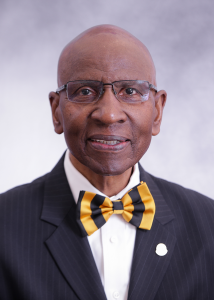
Dr. Joseph Webster 

Chair of ACHDC

Rev. McCoy

Co-Chair of ACHDC

Who is the American Clinical Health Disparities Commission?

The American Clinical Health Disparities Commission (ACHDC), National Black Church Initiative (NBCI), and CME Outfitters (CMEO) today announced the launch of a partnership to address the dismally low recruitment, participation, and retention of African Americans in clinical trials. Additionally, the partnership will aim to address health inequities and improve health literacy, messaging transcreation, and amplify the voice of the patient, particularly in marginalized and under-resourced communities.
 
ACHDC is a coalition created by African American and Latino clinicians and clergy to educate, generate interest, and improve clinical trial participation among NBCI constituents. NBCI is a coalition of 150,000 African American and Latino churches constituting 27.7 million members working to eradicate racial disparities in healthcare, technology, education, and housing for each of its members, congregants, churches, and the public. CMEO is an award-winning accredited provider of continuing medical education with a substantial catalog of clinician and patient education focused on unconscious bias, health inequities, and diversity, equity, and inclusivity.

 
NBCI, supported by education and resources developed by CMEO, provides critical wellness information to all of its members, congregants, churches, and the public and will work hand-in-hand with ACHDC to help achieve health equity among its constituents, particularly through increased awareness of and informed participation in clinical trials. This innovative and groundbreaking partnership will provide a structured, comprehensive, academic course emphasizing the historical importance of clinical trials along with their risks and benefits, underscoring the critical role of informed consent. The goal is to create, for the very first time, a large pool of African Americans who have been empowered through education on clinical trial participation to improve the overall health of Latinos and African Americans.

What is the objective of ACHDC

ACHDC’s chief function and objective are to provide NBCI with overall scientific direction and guidance in the areas of education, literature and video development, clinical trial protocols, and guidelines for critical data collection. 
https://blackchurchclinicaltrials.com/clinical.php

How ACHDC will interact with the NBCI National Clinical Trial Strategic Plan

ACHDC will help develop guidelines and best practices for the NBCI National Clinical Trial  Strategic Plan (NCTSP)  

https://blackchurchclinicaltrials.com.  

These African-American clinicians will provide the necessary technical assistance to help NBCI fully implement this plan for its 27.7 million members.  ACHDC will serve as the ethical and scientific safeguard to assure African Americans that all clinical trials are within the HIPAA  guidelines and compliance — and that we will never allow a Tuskegee experiment to ever happen again.  ACHDC will evaluate all clinical trials agreed to by NBCI that they are within acceptable clinical practice and guidelines.

ACHDC  will approve all informed consent agreements before these trials are shared, advertised, and encouraged for NBCI member participation.  Critical to ACHDC’s core mission is to ensure that these protocols are followed and agreed to by all parties.  We believe that this approach is essential and critical in building the trust factor to assure all African Americans that clinical trials are safe, beneficial, necessary, and above all, all risks are fully disclosed and it is of the highest ethical standards by both the government and the pharmaceutical industry.

Black Americans’ Views of and Engagement With Science

Black Americans have largely positive views of medical researchers’ competence; the majority are concerned about the potential for misconduct

Science offers the promise to aid society in tackling its most pressing problems, lifting living standards, health and life expectancies. Learning about science can enrich people’s lives in and outside of the classroom, and advances in scientific developments can spark amazement while transforming the ways we live and work.

A new Pew Research Center survey takes a wide-ranging look at Black Americans’ views and experiences with science, spanning medical and healthcare settings, educational settings, and as consumers of science-related news and information in daily life.

The COVID-19 pandemic is a prominent reminder of the disparate health impacts Black Americans face, and of long-standing concerns about levels of trust or mistrust between scientists and Black communities.

Against this backdrop, there are ongoing concerns that the segments of the public most engaged with science – people who attend science-related events, participate in medical research studies, and fill science, technology, engineering, and math classrooms and the professional ranks of these fields – do not adequately reflect the racial and ethnic diversity of the nation.

The new survey, along with a series of focus groups, highlights the multifaceted views Black Americans hold when it comes to trust in medical research scientists. The findings speak to how contemporary experiences with the healthcare system, as well as past injustices, inform the range of attitudes Black adults express. In this and other topics addressed in the survey, there are important differences in how Black Americans see these issues depending on their education, age, gender, and other characteristics.

The importance of representation for Black Americans is a through-line seen across the topics covered in the survey. A majority of Black Americans say more examples of Black high achievers in science, technology, engineering, and math (STEM) would encourage more young Black people to pursue training in these fields. Issues around representation are at the center of doubts some focus group participants expressed about the openness of science-related professions to Black people.   

https://blackchurchclinicaltrials.com/clinical.php

Members of the Clinical Research Community

The National Black Church Initiative (NBCI) and the American Clinical Health Disparities Commission welcome pharmaceutical partners and their diverse efforts toward improving the participation of African Americans and Latinos in clinical trials. Such collaboration serves as a mechanism to enhance the level of education for African Americans and Latinos needed to make informed decisions. Thus, with over 35 years of patient education, health promotion, and clinical trial recruitment, NBCI has put forth one of the most innovative initiatives focusing on the inclusion of African-Americans and Latinos in clinical trials. 

https://blackchurchclinicaltrials.com/pharma.php

National Clinical Trial Strategic Plan

Your Questions Answered

All trials have different timelines due to various factors, such as the trial phase, study design, treatment duration or health condition being studied. During the consent process before enrolling, the research team will explain the specifics about the trial.

Due to the many differences in insurance plans across the country, coverage in clinical trials can vary. You will learn more about your options during pre-screening.

If you don’t qualify due to not meeting the trial criteria, you should check with your healthcare provider to seek other options.

If you are living with a medical condition, joining a clinical trial may give you access to a new potential treatment before it is publicly available. Just as importantly, it can help researchers understand how this potential treatment affects the body and increase their knowledge about the disease and how to treat it. Participation can also play a vital role in helping others who have a similar condition, both now and in the future. Healthy volunteers in trials contribute to this medical progress as well by helping understand the effect of the potential treatment and any safety concerns.

As with all medical records, participant privacy and confidentiality in trials are protected by law. Once consent is signed, you will be given a trial code. Your trial records will not include your name or personal identity but will identify you with a trial code. This code can only be tracked back to you via a code key which is held by the responsible physician. Your name or personal identity will never be disclosed.

Yes, participants are volunteers and may withdraw from a clinical trial at any time.

A placebo is an inactive version of an intervention that is not intended to provide any medical benefit. It is designed to look the same as the active intervention, so the participant and research team do not know it is a placebo. The placebo is used by comparison to confirm any effects of the intervention being studied, if no approved intervention is available.

“Standard of care” is an intervention already approved for a specific health condition that is available publicly. Interventions in a clinical trial are still being tested to ensure safety and effectiveness.

Some clinical trials are designed to be “double blind” so both participants and researchers are unaware of which treatment group participants are assigned to. This prevents bias from affecting clinical trial data.

Your informed consent is required before being enrolled in a trial. This means you have been provided all relevant information about the study design, how you will participate, your right to withdraw at any time, study alternatives, your personal data protection and the associated risks and benefits. Informed consent is designed to protect patient safety and privacy.

Under FDA regulations, an Institutional Review Board (IRB) is a group that has been formally designated to review and monitor research at a hospital or institution involving human participants. In accordance with FDA regulations, an IRB has the authority to approve, require modifications in, or disapprove research.

Participants are always welcome to visit their usual healthcare providers during a trial. Sometimes, it is important for healthcare providers to collaborate with the research team to ensure success.

After your participation ends, the study may continue for months or years. Once final results from all participants are compiled and analyzed, they are often published publicly. Clinical study report (CSR) synopses and plain language summaries (PLSs) may be made available for certain studies. Check with your clinical trial site or send an email to GileadClinicalTrials@gilead.com to learn more.

There are a wide variety of professionals involved with any clinical trial, all of whom are vital to ensuring safety and success. The principal investigator, or PI, leads the trial and directs the team of doctors, nurses and other healthcare workers. The clinical trial coordinator manages day-to-day activities and is the main contact for participants. Many clinical trials also have an independent Data and Safety Monitoring Board (DSMB) who periodically reviews data to ensure participant safety, and sometimes effectiveness.